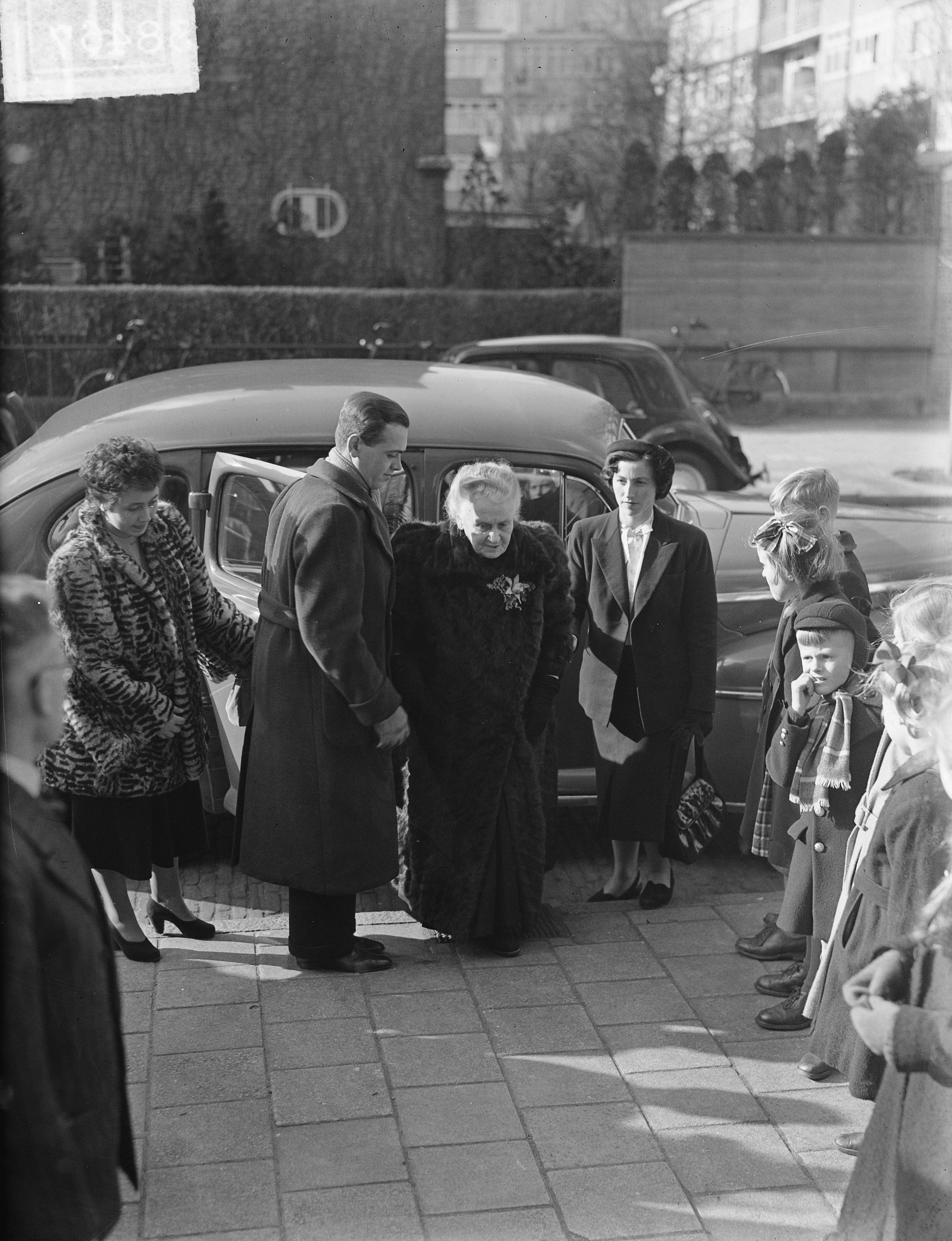
Maria Montessori devoted her life to seeing children more clearly.
Her work reminds us that children are far more capable than we often imagine.
This timeline follows some of the moments that helped form her work—from her early years in Italy to the opening of the first Casa dei Bambini, and from international recognition to her lifelong call for peace through education.
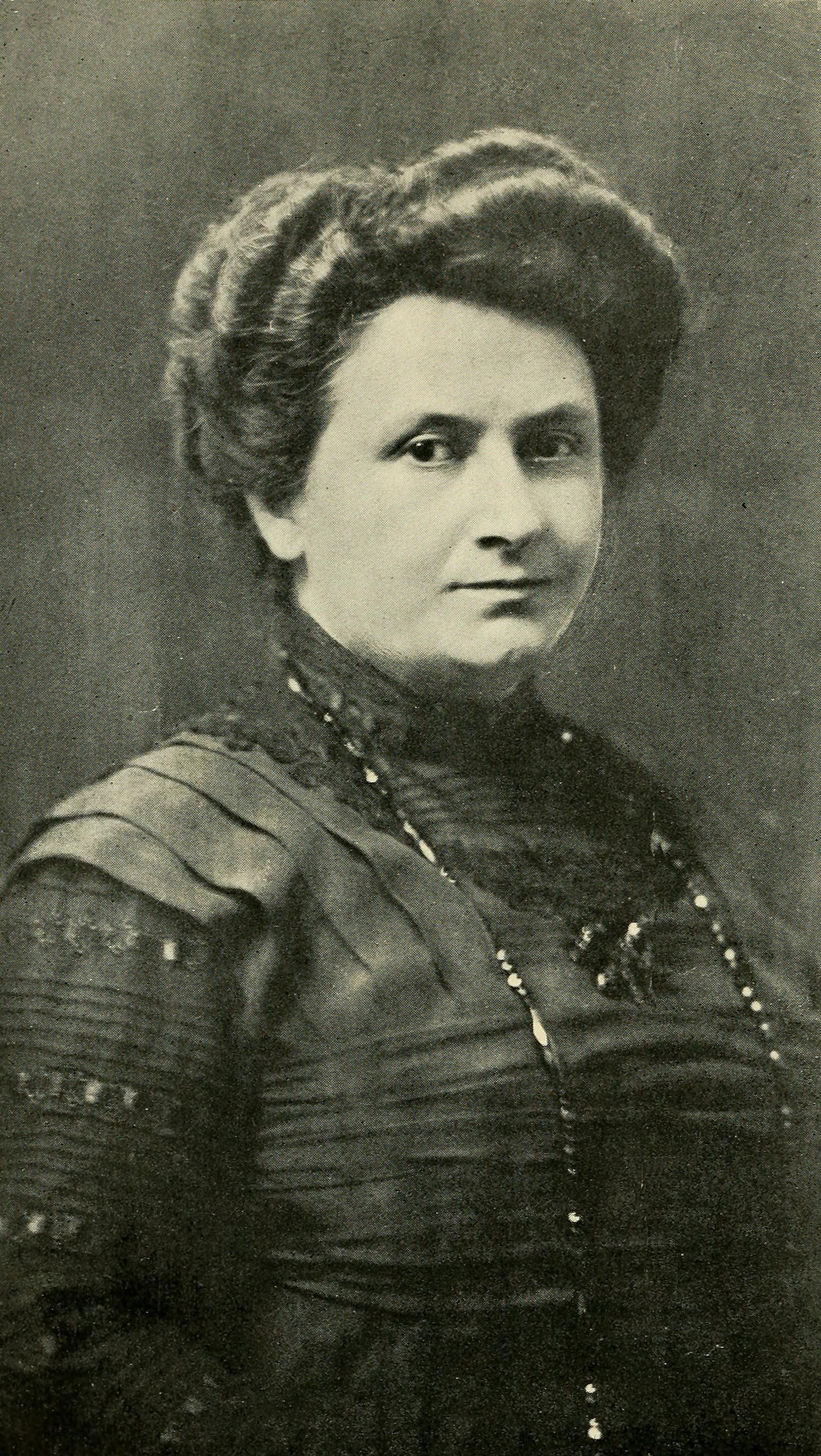
Born into a changing Italy
Maria Montessori was born on August 31, 1870, in Chiaravalle, Italy. Her father, Alessandro Montessori, was an accountant in the civil service, and her mother, Renilde Stoppani, was well educated and helped nurture Maria’s independence and love of learning. Montessori was born into a newly unified Italy at a time of social change, and the world around her helped shape her sense of what a woman’s life might become.
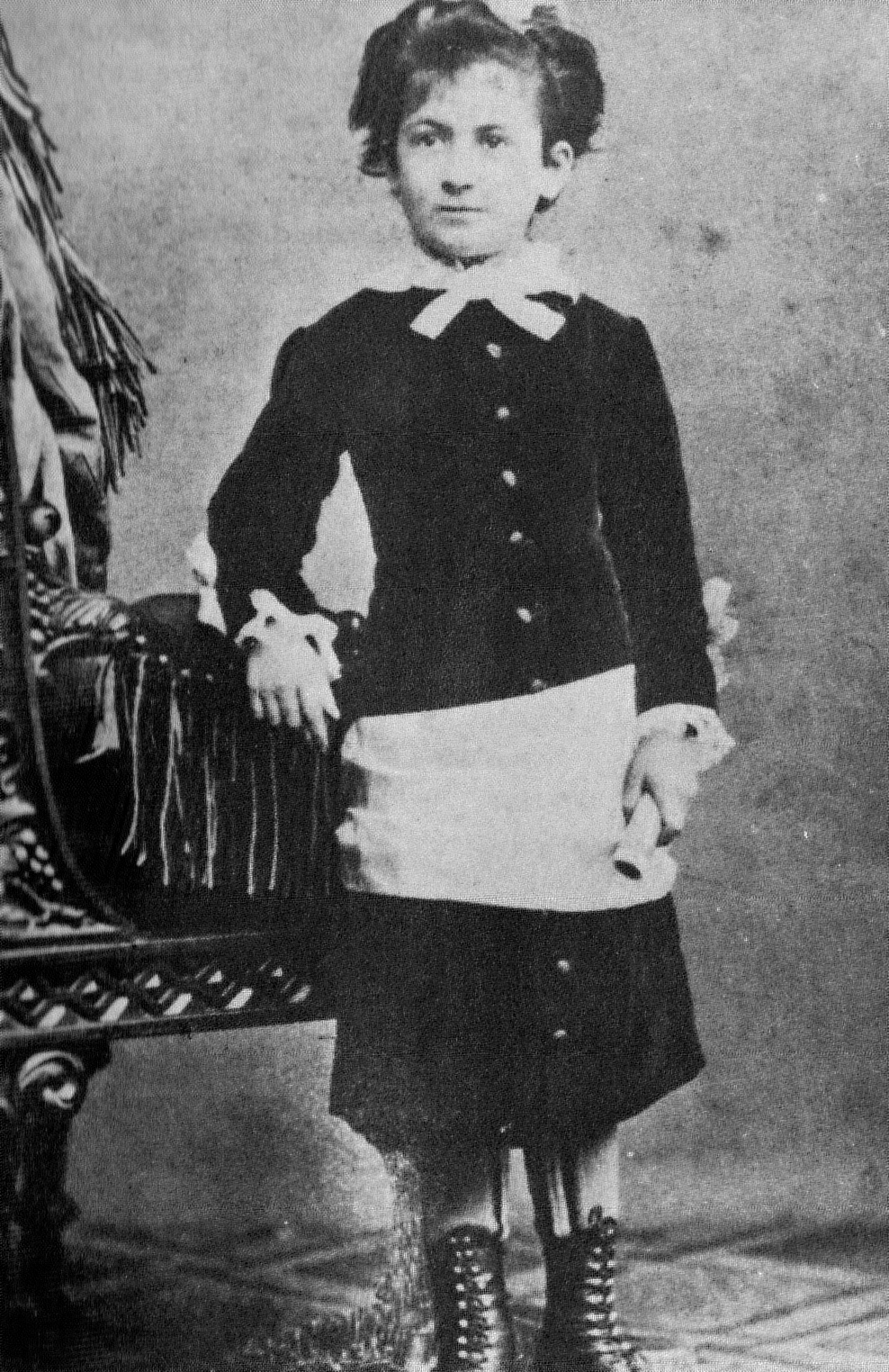
A student who took a different path
As a young student, Montessori chose to attend a technical school with a strong emphasis on science and mathematics, a path that was unusual for girls at the time. She studied mathematics and the sciences and showed an early determination to follow her own course. Her father had hoped for a more conventional future for her, but Maria was already moving toward a different life, one she would have to claim for herself.
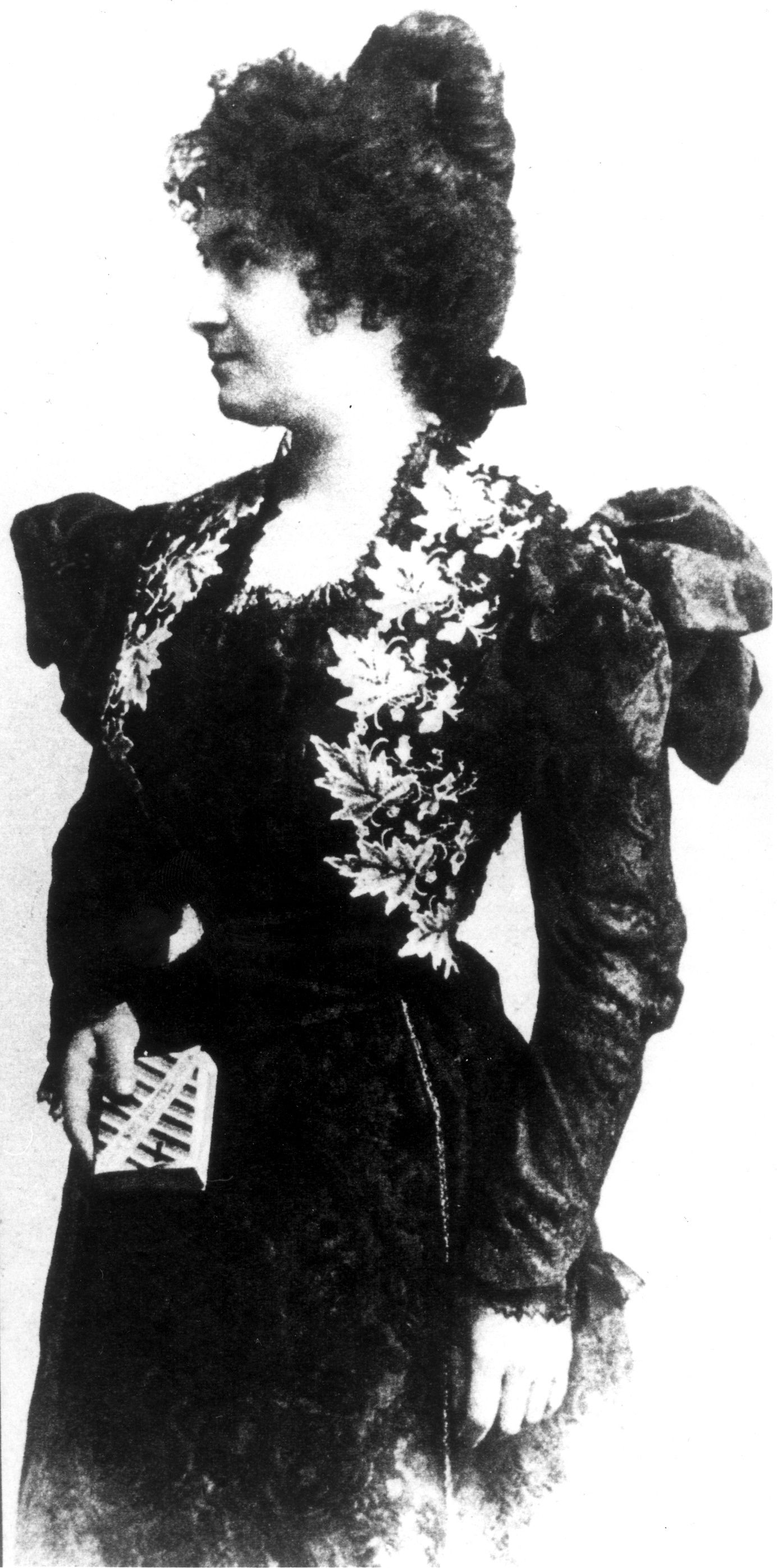
Becoming a doctor
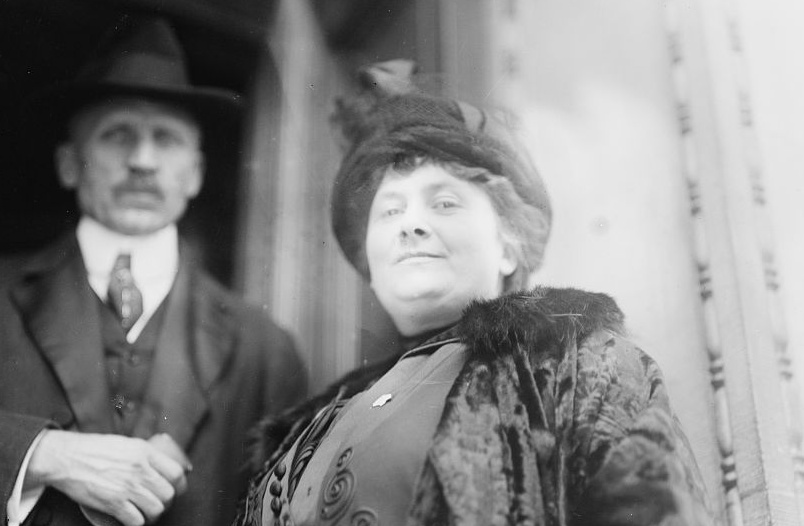
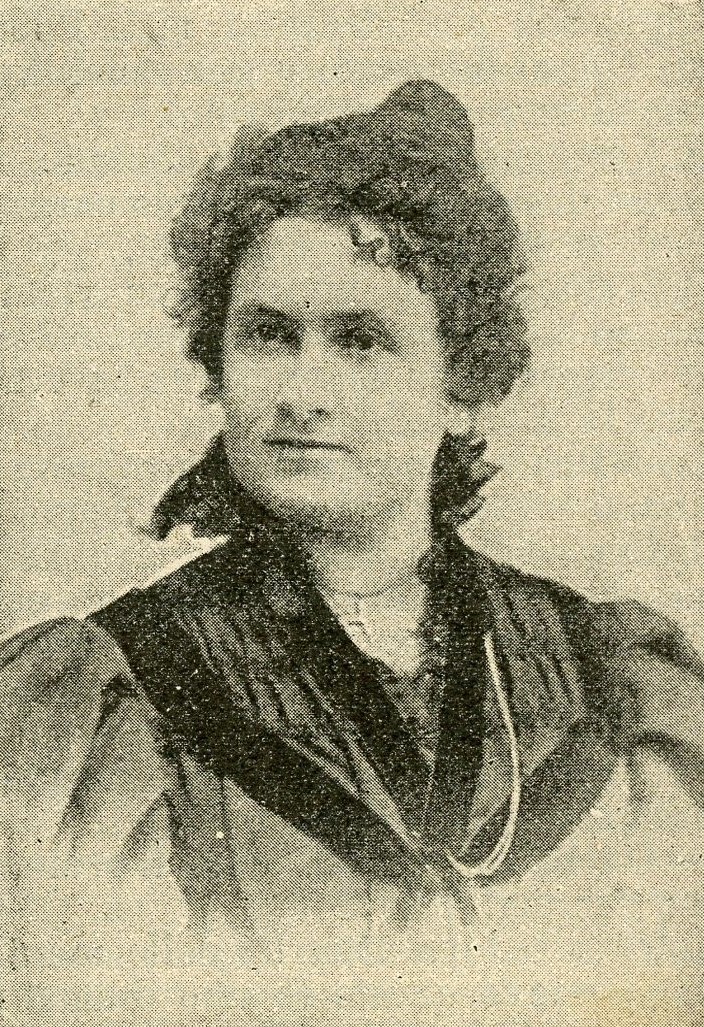
In 1890, Montessori entered the University of Rome to study physics, mathematics, and natural sciences, receiving a diploma that allowed her to enter the Faculty of Medicine. In 1896, despite resistance from professors, classmates, and the limits placed on women in her time, Maria Montessori earned her medical degree, becoming one of the first women physicians in Italy. This mattered not only because it was difficult, but because it informed the way she would observe children for the rest of her life: carefully, scientifically, and with respect.
From medicine to the study of children
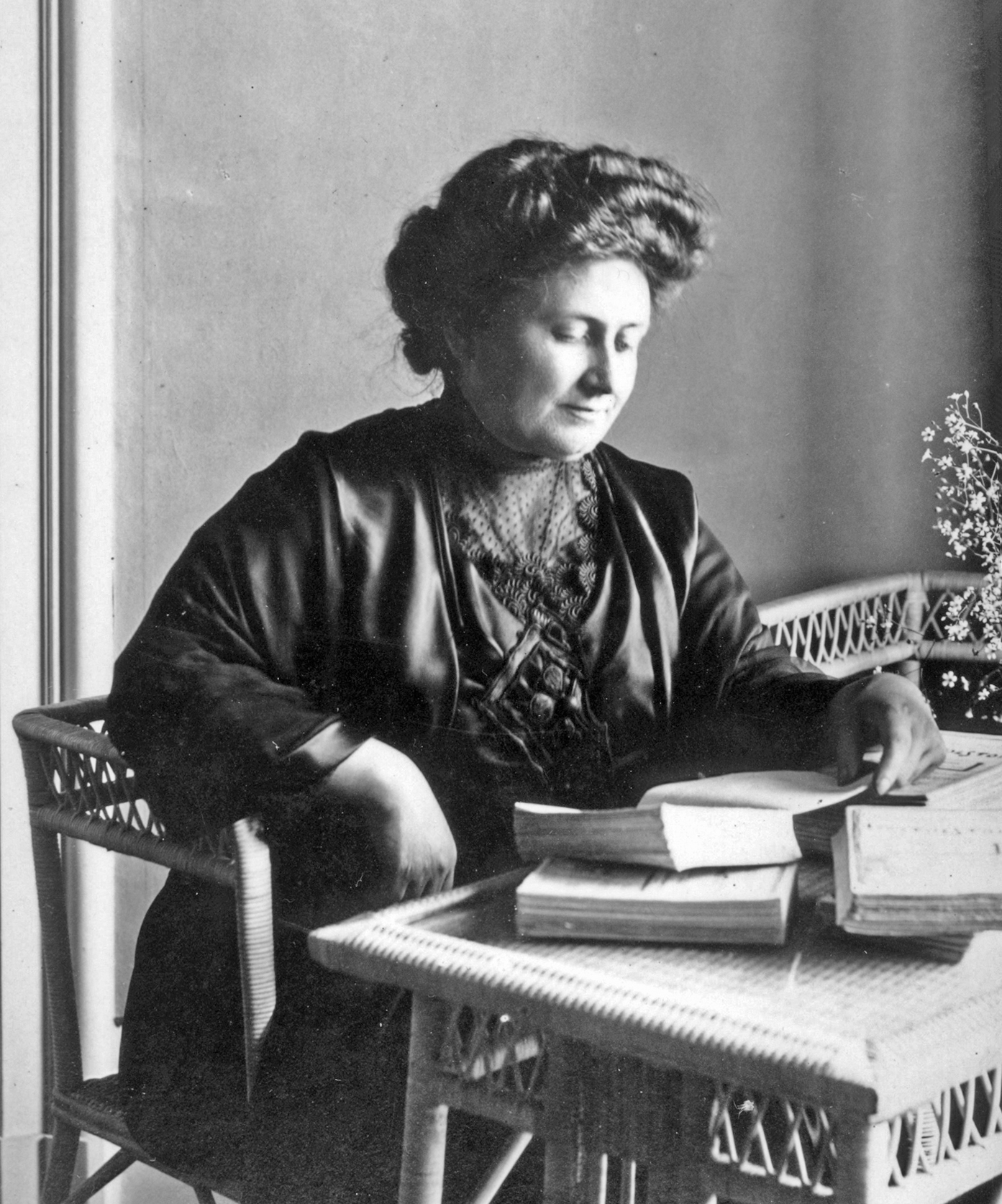
After medical school, Montessori began working in psychiatry and became deeply engaged in the lives of children who had been dismissed or misunderstood by the school system and society at large. Her advocacy also extended beyond medicine. That same year, she represented Italy at the International Congress for Women in Berlin, where she spoke in support of equal wages for women.
In clinics and asylums, she encountered children who were often treated as medical cases and left with little opportunity for meaningful activity or learning. This marked a turning point, leading her to see that these children needed a different approach—one informed by careful observation and education.
Learning from Itard and Séguin
As her focus on children’s development grew, Montessori turned to the writings of Jean-Marc-Gaspard Itard and Édouard Séguin, whose work informed her early scientific approach. In particular, their emphasis on observation, sensory education, and close attention to the child helped shape her belief that children’s development could be supported through purposeful materials and respectful guidance.
In 1899, she visited Bicêtre Hospital in Paris, where Séguin had built on Itard’s earlier work with children who had been considered difficult or impossible to educate. The visit helped connect Montessori’s own questions with a longer tradition of sensory education and close attention to the child.
She also drew from earlier thinkers, including Rousseau, Pestalozzi, and Froebel, who helped shift education toward nature, experience, and the child’s active role in learning. While Montessori inherited these influences, she transformed them through direct work with children into something distinctly her own.
A larger question begins to form
At the Orthophrenic School in Rome, Montessori worked with children who had been labeled uneducable and saw how much they could achieve with the right materials and conditions. That success raised a larger question: what might happen if all children were given an education built around their development rather than adult control?
In the years that followed, she continued to explore this question. Then, in 1906, she was invited to organize a childcare center in San Lorenzo, a poor district of Rome, where she would soon have the opportunity to pursue it further.
A school for children opens in San Lorenzo
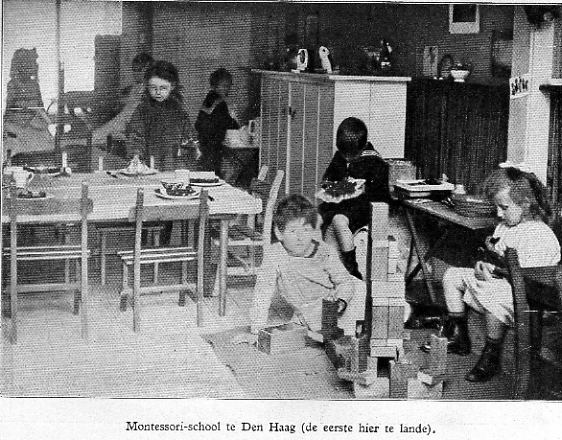
On January 6, 1907, the first Casa dei Bambini, or “Children’s House,” opened in San Lorenzo, a working-class district of Rome. There, Montessori observed the children closely in a carefully prepared environment and began to see with new clarity the importance of concentration, order, independence, movement, and meaningful work.
What she observed there became the foundation of her method.
The work begins to spread
In 1909, Montessori gave her first training course to about 100 students in Città di Castello and published her first major book, The Method of Scientific Pedagogy, which introduced her work to a wider public. After its publication, interest in her ideas grew quickly, both in Italy and beyond.
In the years that followed, her writings were translated into many languages, and Montessori schools began opening in many parts of the world.
Montessori comes to the United States
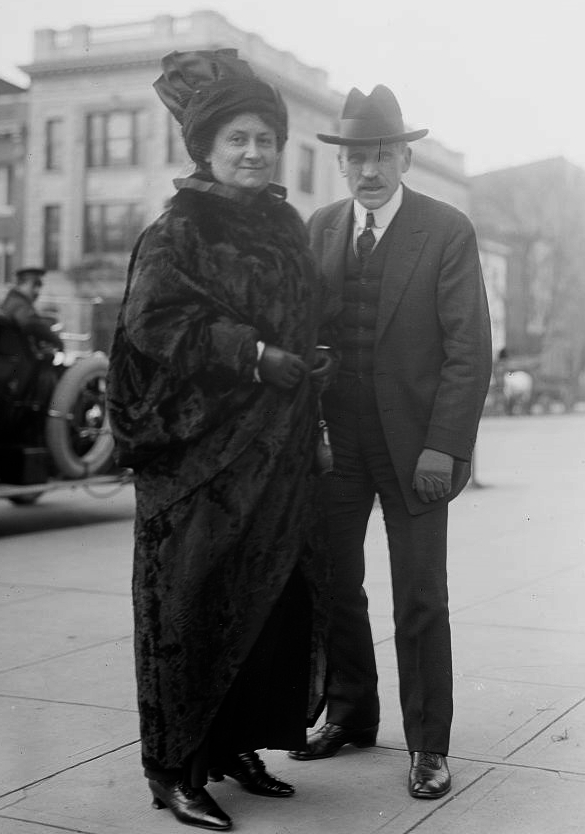
By the early 1910s, Montessori’s work had spread overseas. In 1912, an English edition of The Method of Scientific Pedagogy was published in the United States under the title The Montessori Method. Schools opened in several cities, and her lectures drew large crowds.
In 1915, she demonstrated her approach in a glass classroom at the Panama-Pacific International Exposition in San Francisco. American interest accelerated quickly, and within a few years Montessori education had become widely discussed.
Barcelona, growth, and political pressure
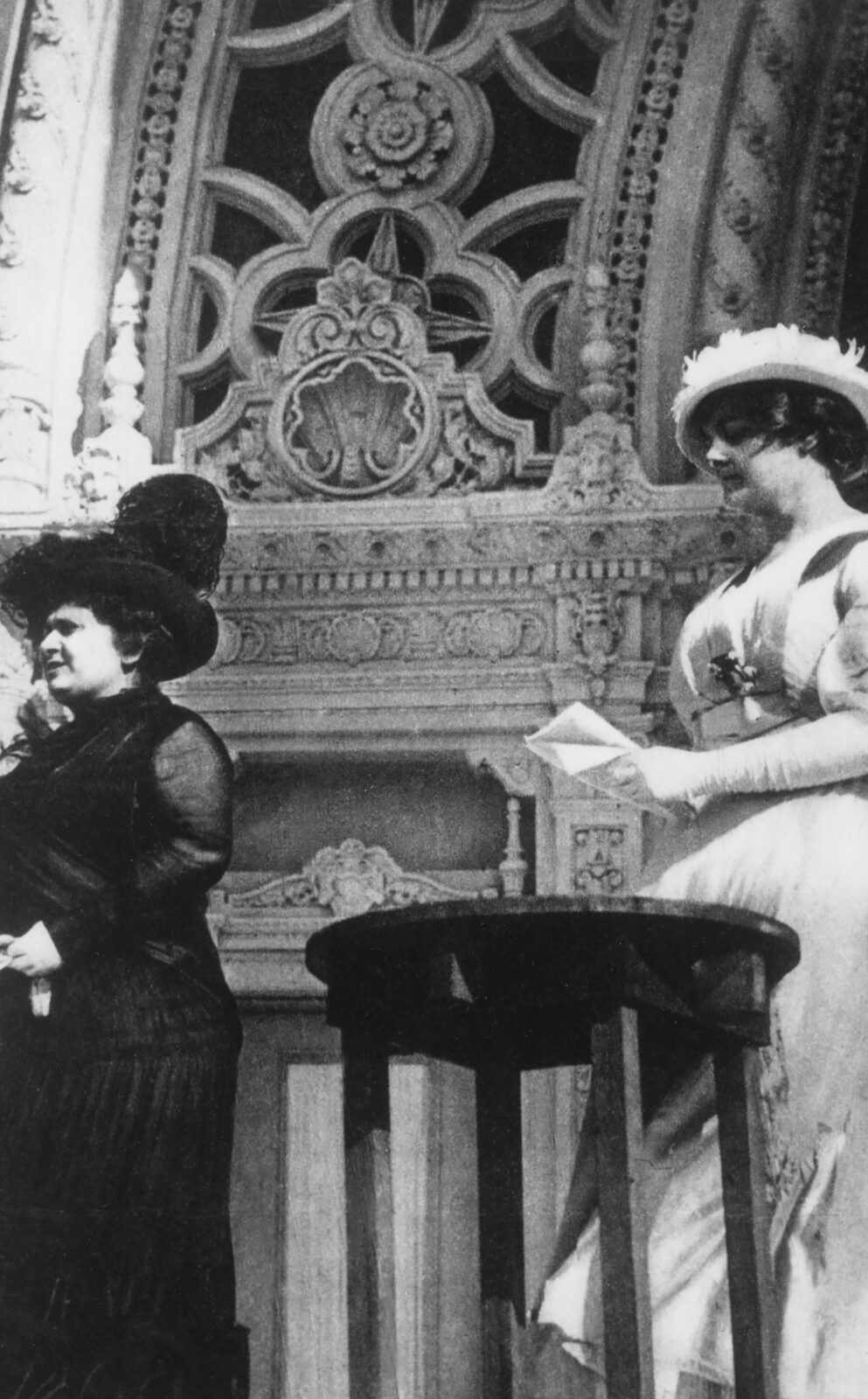
Over the next two decades, Barcelona became an important base for Montessori’s work. There, she led teacher training and continued to develop her approach. As the movement grew internationally, she and her son Mario founded the Association Montessori Internationale (AMI) in 1929 to support and protect the integrity of her work.
Yet these same years also brought growing political pressure. Montessori’s vision, which centered on freedom, dignity, independence, and peace, stood in contrast to authoritarian governments that sought to make education serve the state. In 1933, the Nazis closed all Montessori schools in Germany, and in Italy her refusal to cooperate with Mussolini’s fascist regime eventually led to the closure of Montessori schools there as well.
Exile and a wider vision
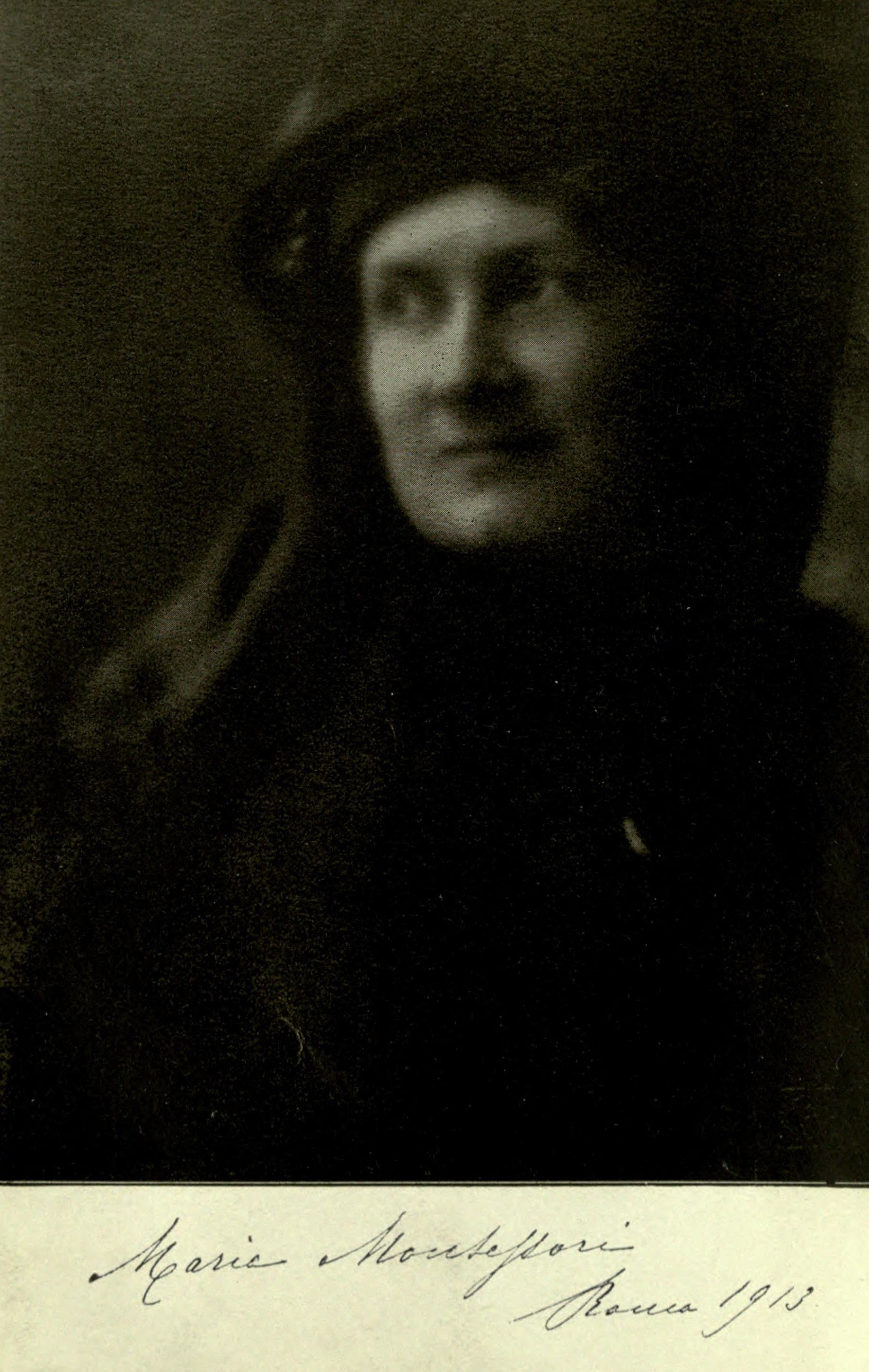
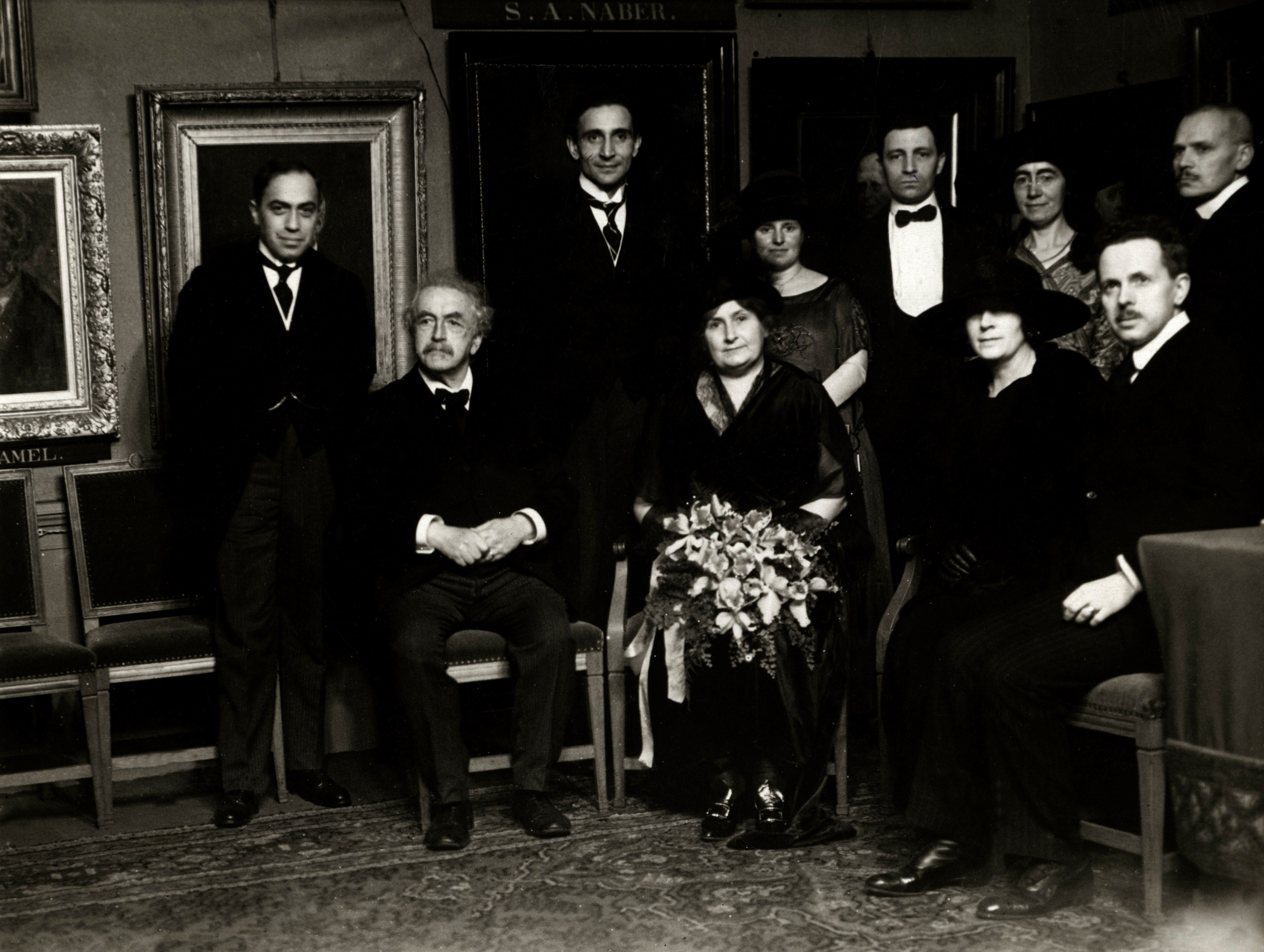
In 1936, the Spanish Civil War forced Montessori to leave Barcelona for England and then Amsterdam. The Netherlands became an important base for her later work.
In the years that followed, she further developed ideas that would help shape cosmic education and expanded her understanding of education as something larger than classroom instruction. For Montessori, education became ever more closely tied to human unity and peace.
India and education for peace
In 1939, as Europe moved toward war, Montessori traveled to India with Mario for what was intended to be a three-month training course. But with the outbreak of the Second World War, Mario was briefly interned and Maria was placed under house arrest because, as Italian citizens in British-ruled India, they were treated as enemy nationals. Unable to leave, they remained in India for nearly seven years. During that time, Montessori developed key ideas about the absorbent mind, early childhood, and education as a path toward reconstruction, human unity, and peace.
The child at the center of the future
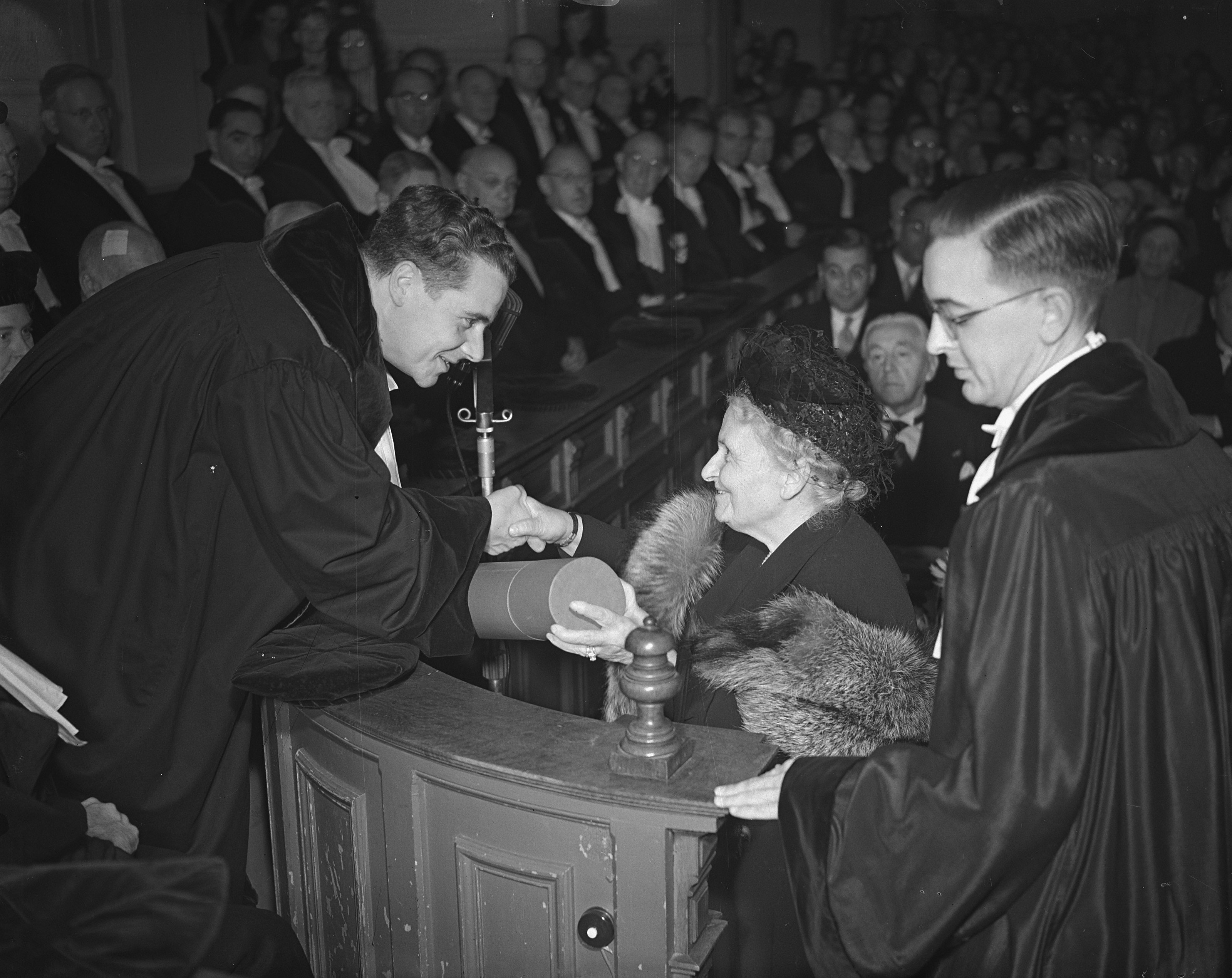
After the war, Montessori returned to Europe and resumed training, lecturing, and writing. In her later lectures and writings, she spoke with renewed urgency about the child as the hope for a more peaceful world. Her attention turned increasingly toward reconstruction, human unity, and the possibility of peace through education. She described education not simply as schooling, but as an aid to life. In 1949, 1950, and 1951, she was nominated for the Nobel Peace Prize, reflecting how closely her educational vision had become tied to peace. One of her last major public engagements came in London in 1951, when she attended the 9th International Montessori Congress.
A legacy that endures
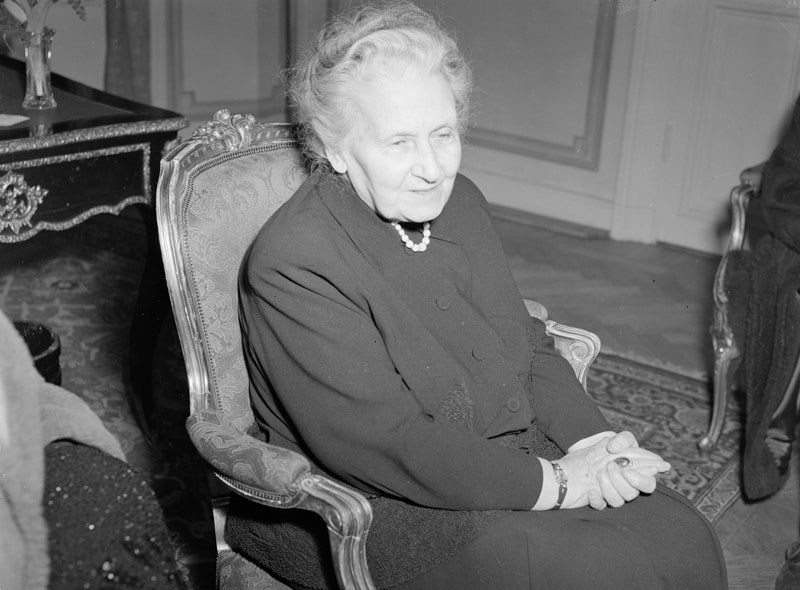
Maria Montessori died on May 6, 1952, in Noordwijk aan Zee, the Netherlands. By then, her work had reached many parts of the world and had grown far beyond its beginnings in San Lorenzo.
Her legacy endures not because she left behind a fixed system, but because she offered a different way of seeing the child: with patience, respect, and trust. Through AMI and the educators who carried her work forward, Montessori education continued to grow internationally. In the United States, that legacy would later find renewed expression in the American Montessori Society.